The Art of Riding – a series of articles by Bert Hartog: Part 2

December 3rd, 2014
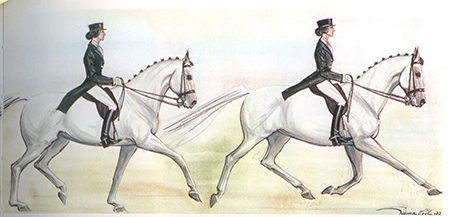
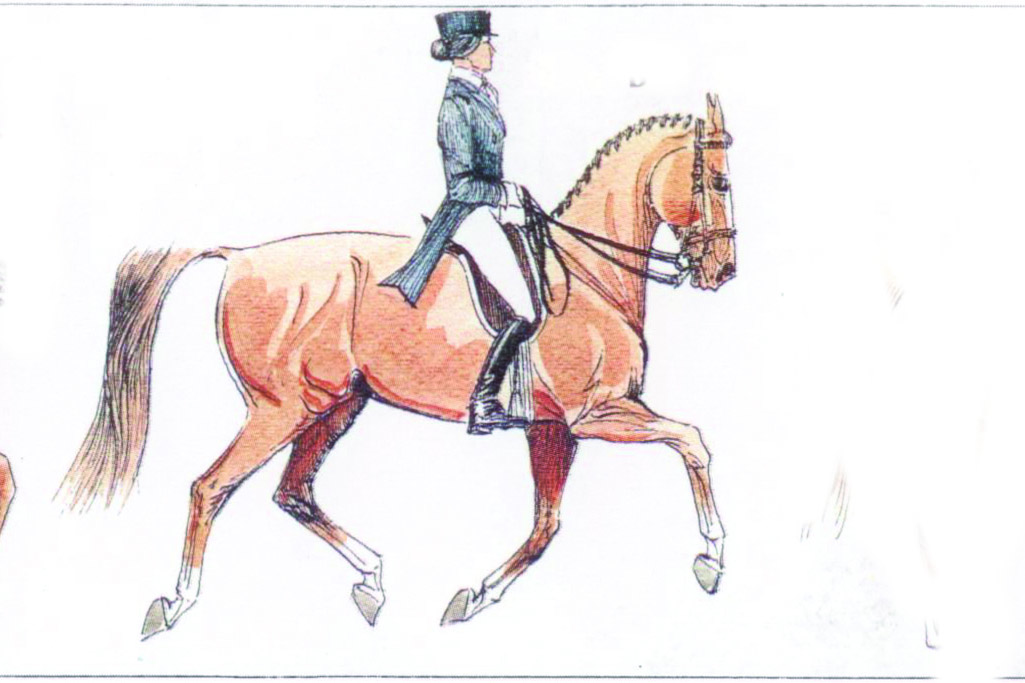
Some horses appear to go freely forward as if they are almost dancing, without effort of the rider. Often one sees quite large horses performing brilliantly for quite small lady riders... Read Article Comments Off on The Art of Riding – a series of articles by Bert Hartog: Part 2
 

The Art of Riding – A series of articles by Bert Hartog: Part 3


Horses as a hunted species are passive thinkers. They concentrate on eating large quantities of grass and run away from danger... Read Article Comments Off on The Art of Riding – A series of articles by Bert Hartog: Part 3
 

The Art of Riding – a series of articles by Bert Hartog: Part 4


When riders refer to 'the seat', the tendency is to think of the bottom in the saddle. But, of course, our whole upper body is used to influence the horse... Read Article Comments Off on The Art of Riding – a series of articles by Bert Hartog: Part 4
 

The Art of Riding – A series of Articles by Bert Hartog: Part 5


Now we have control of the horse - legs, seat and hands. The time has come to make use of it... Read Article Comments Off on The Art of Riding – A series of Articles by Bert Hartog: Part 5
 

The Art of Riding – a series of articles by Bert Hartog: Part 6


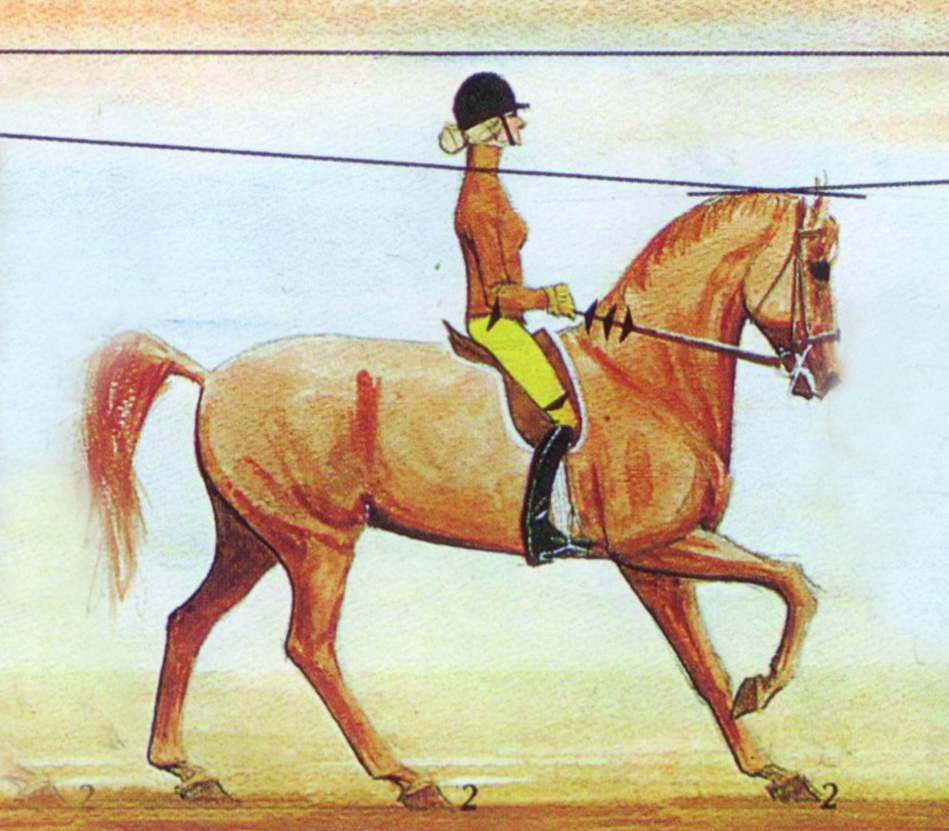
In his natural state the horse goes on the forehand. He is built to run away in the shortest possible time, in case of danger. That is why he has heavy joints, tendons and muscles in his hindquarters... Read Article Comments Off on The Art of Riding – a series of articles by Bert Hartog: Part 6
 

The Art of Riding – A series of articles by Bert Hartog: Part 7


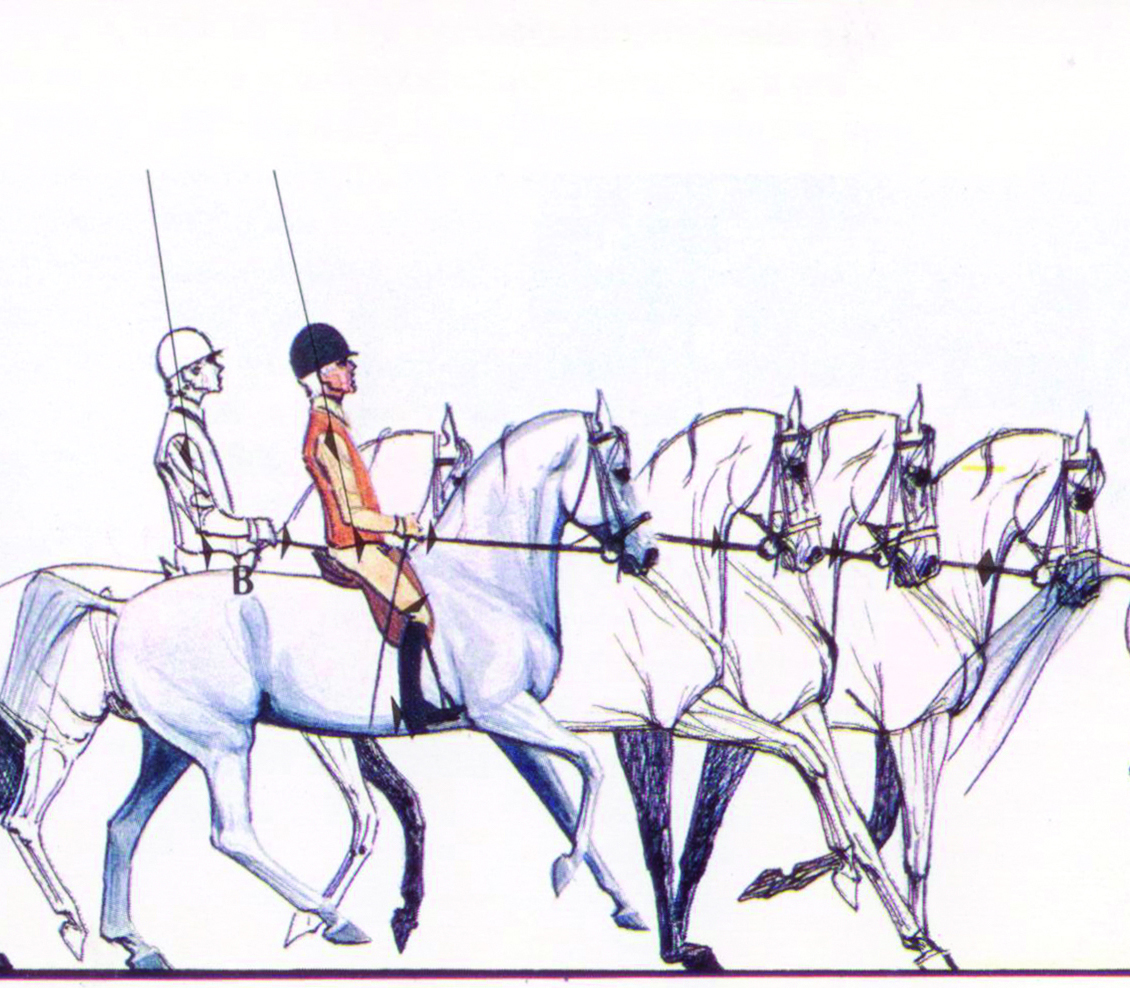
One cannot let the horse run away at will, to go where-ever he wishes. We need to tell the horse how fast to move forward and the direction in which we want him to go... Read Article Comments Off on The Art of Riding – A series of articles by Bert Hartog: Part 7
 

The Brandenburger


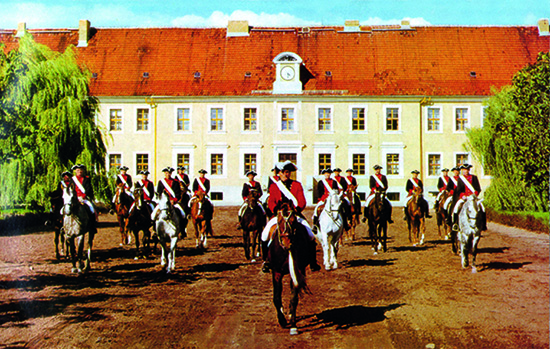
Neustadt-Dosse in what was formerly East Germany is producing some really exciting - and beautiful - performance horses Read Article Comments Off on The Brandenburger
 

The breeders of Westfalia


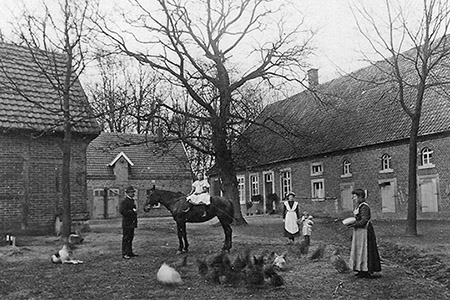
    Warendorf, the centre of Westfalien breeding, has a history of Warmblood breeding that goes back to 1826, when 13 East Prussian stallions were made available to the local breeders. By 1830, thirty stallions stood at Warendorf. The decline of the cavalry, once again swung the balance in the direction of the heavier farm […] Read Article Comments Off on The breeders of Westfalia
 

The Bundeschampionate 2007


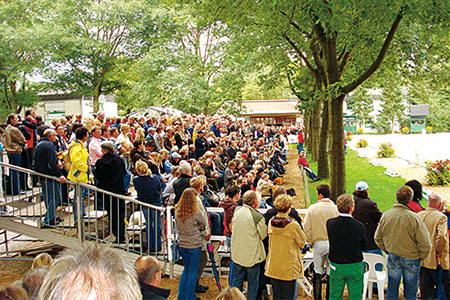
As we took our place in the dressage arena grandstand for the first class at 9.30, our neighbours pulled out mini champagne bottles, popped the corks and toasted ‘Bundeschampionate 2007’ – it’s that kind of show... Read Article Comments Off on The Bundeschampionate 2007
 

The decline of the local breeding station in Germany and the rise of ‘fashion’ breeding


The old way of breeding, using the local stallion at the local station has been lost in the shift to transported semen, and centralised stallion stations... Read Article Comments Off on The decline of the local breeding station in Germany and the rise of ‘fashion’ breeding